

From the familiar to the special: How light creates identity
Places rarely remain in memory due to their geography. Much more often, it is moods, images, and feelings that become entrenched. A square, an alley, or a promenade doesn't become significant solely through its function, but through what people experience there.
Places rarely remain in memory due to their geography. Much more often, it is moods, images, and feelings that become entrenched. A square, an alley, or a promenade doesn't become significant solely through its function, but through what people experience there.
Familiarity plays an important role in this. It creates orientation and a sense of security. But it is emotional experiences that make a place a lasting memory. This is precisely where light unfolds its effect.
More than brightness: Light as an experience factor
Light is often reduced to its functional task: it provides visibility, safety, and structure. But in well-designed spaces, it goes far beyond that. Light guides perception, creates atmosphere, and influences how a place is experienced.
Studies show that multisensory design – including light – significantly contributes to how people perceive urban spaces. The report "Global Designing Cities Initiative: Streets for Kids" (NACTO, 2020) emphasizes the importance of such factors for the quality of stay.
Research from Lighting Research & Technology (2021) also shows that well-thought-out lighting concepts can significantly enhance the sense of security and attractiveness of urban spaces.
Light not only makes spaces visible – it makes them tangible.
Recognizability and identity
For a place to remain in memory, it needs a clear profile. Landmarks alone are not enough for this. What matters is consistent design, which runs like a red thread through the space.
Light can shape this visual identity. Recurring colors, characteristic light patterns, or a clear light language create orientation and recognizability.
This is becoming increasingly important, especially in the competition for attention in tourism. Cities are increasingly defined by experiences. A coherent lighting design can help make places visible – in the real space as well as in images and social media.
Telling stories in space
Places that touch tell stories. These can be culturally influenced, reflect seasonal events, or simply create a special mood.
Light is a powerful medium for making such stories tangible. It works with contrasts, dynamics, and staging.
Warmly lit paths invite people to linger. Staged light installations create surprising moments. Festive lighting transforms entire city areas into communal experience spaces.
Thus, light becomes a central element in placemaking – not as decoration, but as a connecting element between people and places.
Creating emotional bonds
When people emotionally connect with a place, they return. This bond is a crucial factor for successful destinations, as shown by the UNWTO Global Report on City Tourism (2019).
Light significantly contributes to this. It influences the first impression, the duration of the stay, and the way spaces are utilized.
A well-designed public space invites people to linger. It creates encounters, exchanges, and shared experiences. Memories that last emerge from this.
A harmonious overall picture
The interplay is crucial. Individual lighting installations are not enough if they are not embedded in a overarching concept.
Does the light fit the identity of the place? Does it support the destination branding? Does it appear well thought out and consistent?
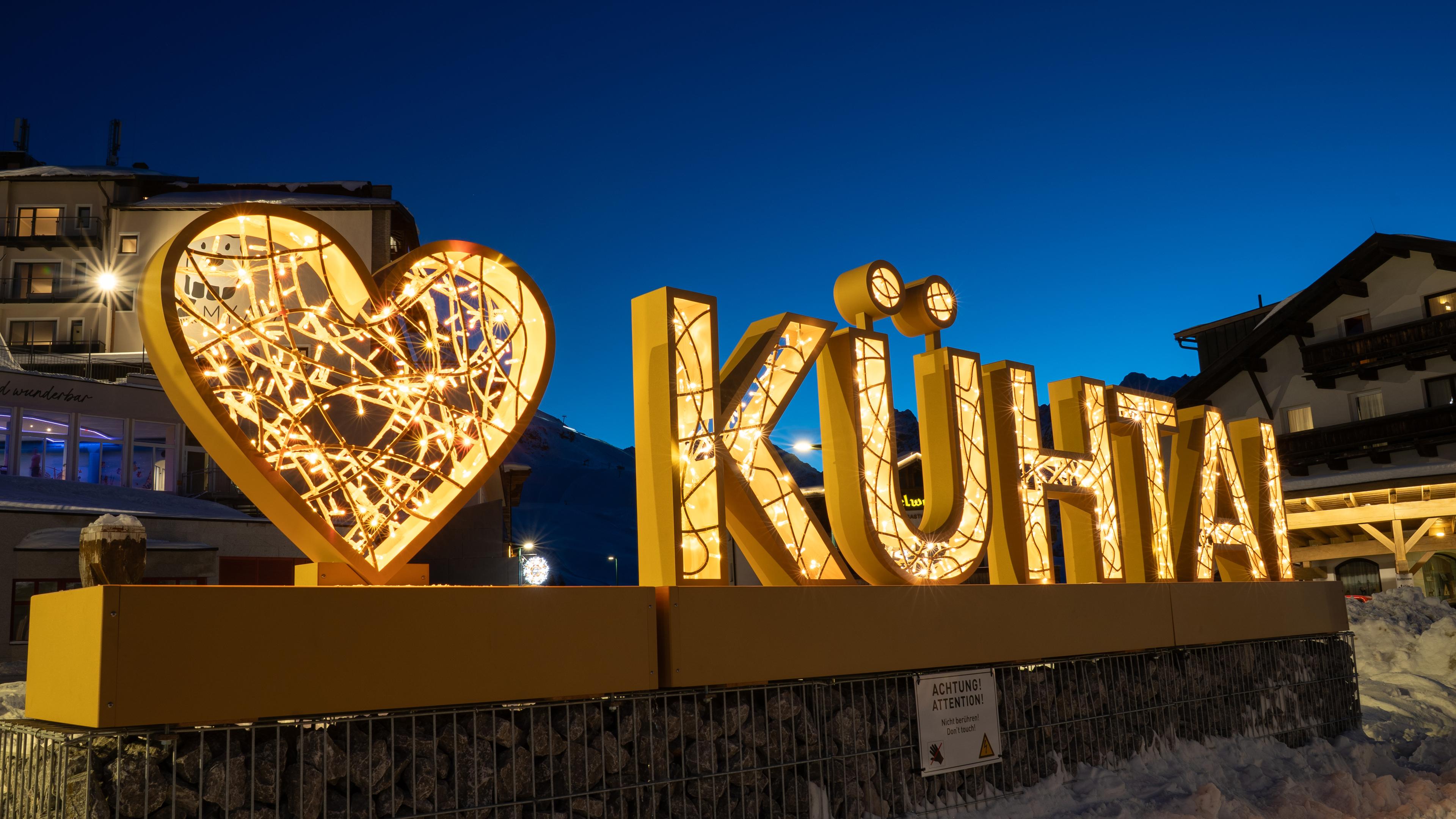
Projects by MK Illumination show how such a holistic approach can look. Here, light is not thought of in isolation, but as part of a comprehensive experience concept.
The quiet power of light
Unlike architecture, light is adaptable. It responds to seasons, times of day, and use. This flexibility makes it a strong tool for identity and staging.
In the end, it is not individual elements that make a place unforgettable. It is the interplay of familiarity and emotion, of structure and atmosphere.
Light subtly connects these levels – and turns places into experiences that last.
Vielleicht interessiert Sie auch Folgendes:

Licht als Erlebnis: Die Wandelhalle Hamburg neu inszeniert
Mitten im Hamburger Hauptbahnhof entsteht ein Ort, der den Alltag kurz innehalten lässt. Licht wird hier zum Gestaltungselement für ein neues Raumerlebnis.
Mehr als Pisten: Wie Weihnachtsbeleuchtung Skidestinationen stärkt
Skidestinationen definieren sich längst nicht mehr nur über ihre Pisten. Orte wie Seefeld zeigen, wie Licht und Atmosphäre den Aufenthalt bis in den Abend hinein prägen.