

MK Illumination News & Insights
Discover knowledge, ideas, and insights about professional light design – from seasonal concepts and product worlds to projects, trends, and sustainable solutions.
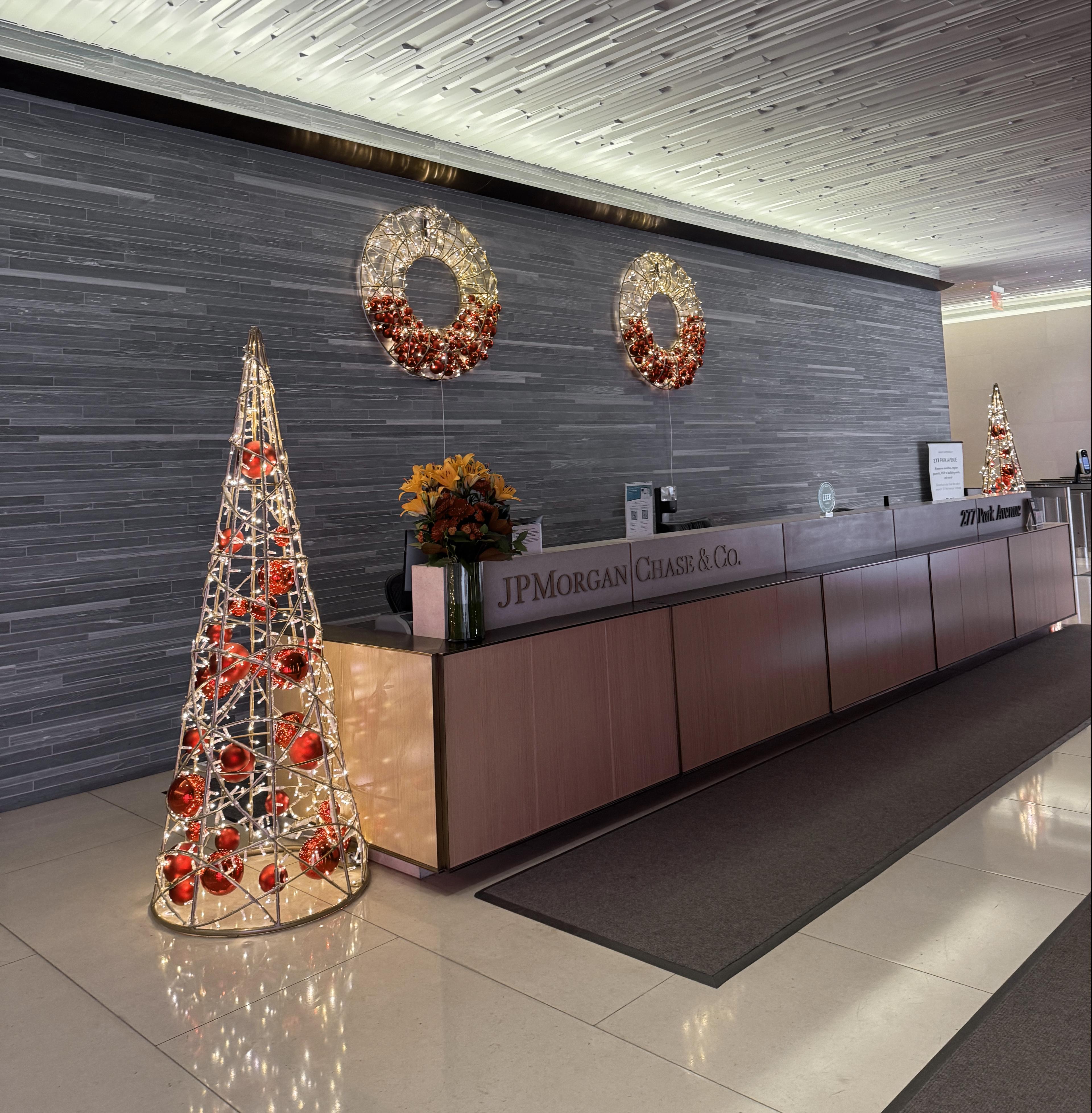
The company lobby as a social threshold
A company lobby is often evaluated according to its practical functions: security, reception, access control, and wayfinding. All of this is important. At the same time, a lobby fulfills a social function. Here, people transition from the city into the work world. Guests get their first impression, and colleagues share the same space for a short time without a scheduled appointment.
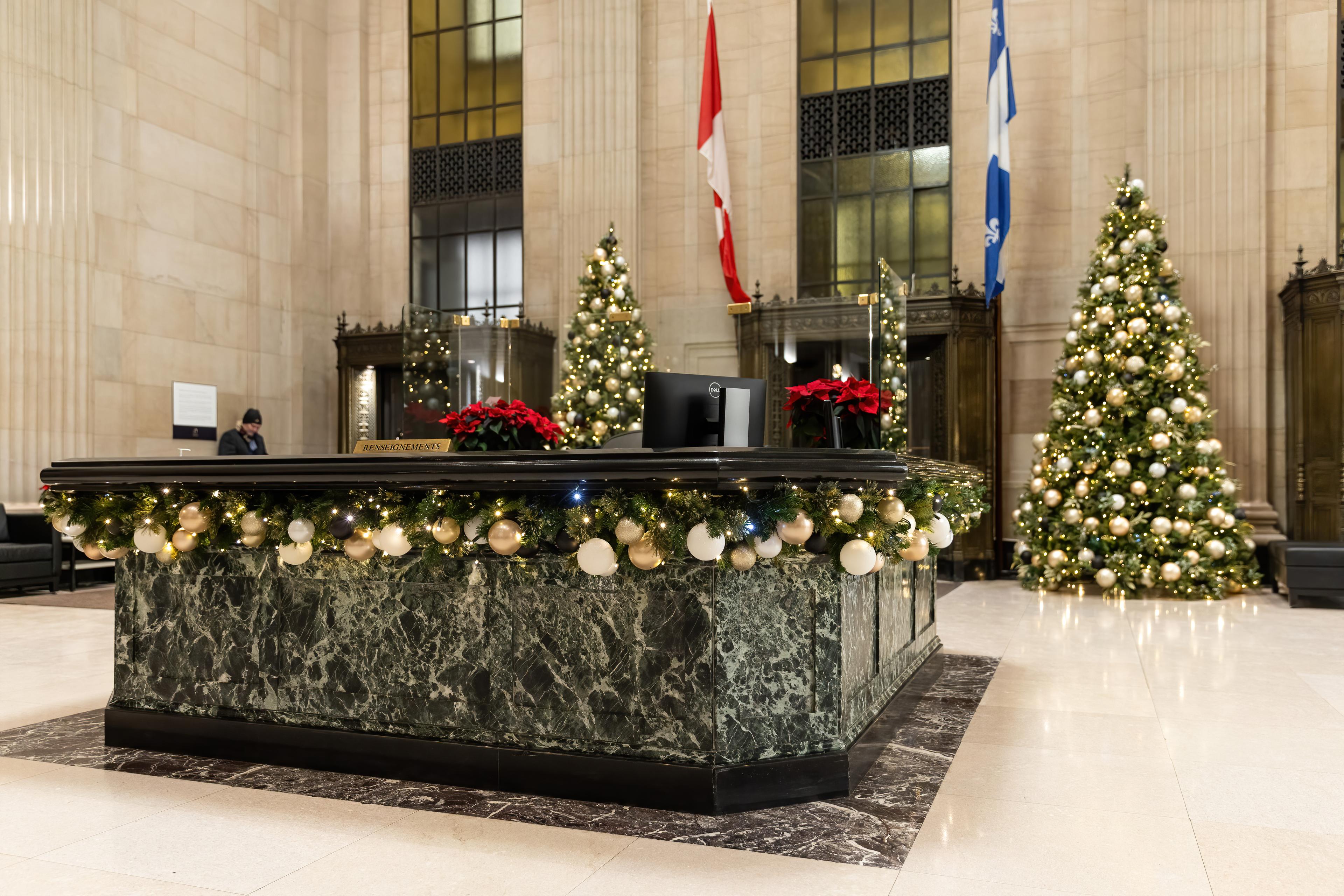
How historical architecture makes corporate spaces more human
In historical corporate buildings, protected materials, architectural details, and preservation regulations often take center stage. These aspects are essential but only describe part of the value. Historical buildings also carry memories. People recognize the proportions of an entrance, the formal effect of a lobby, and the sequence of spaces used by generations before them.
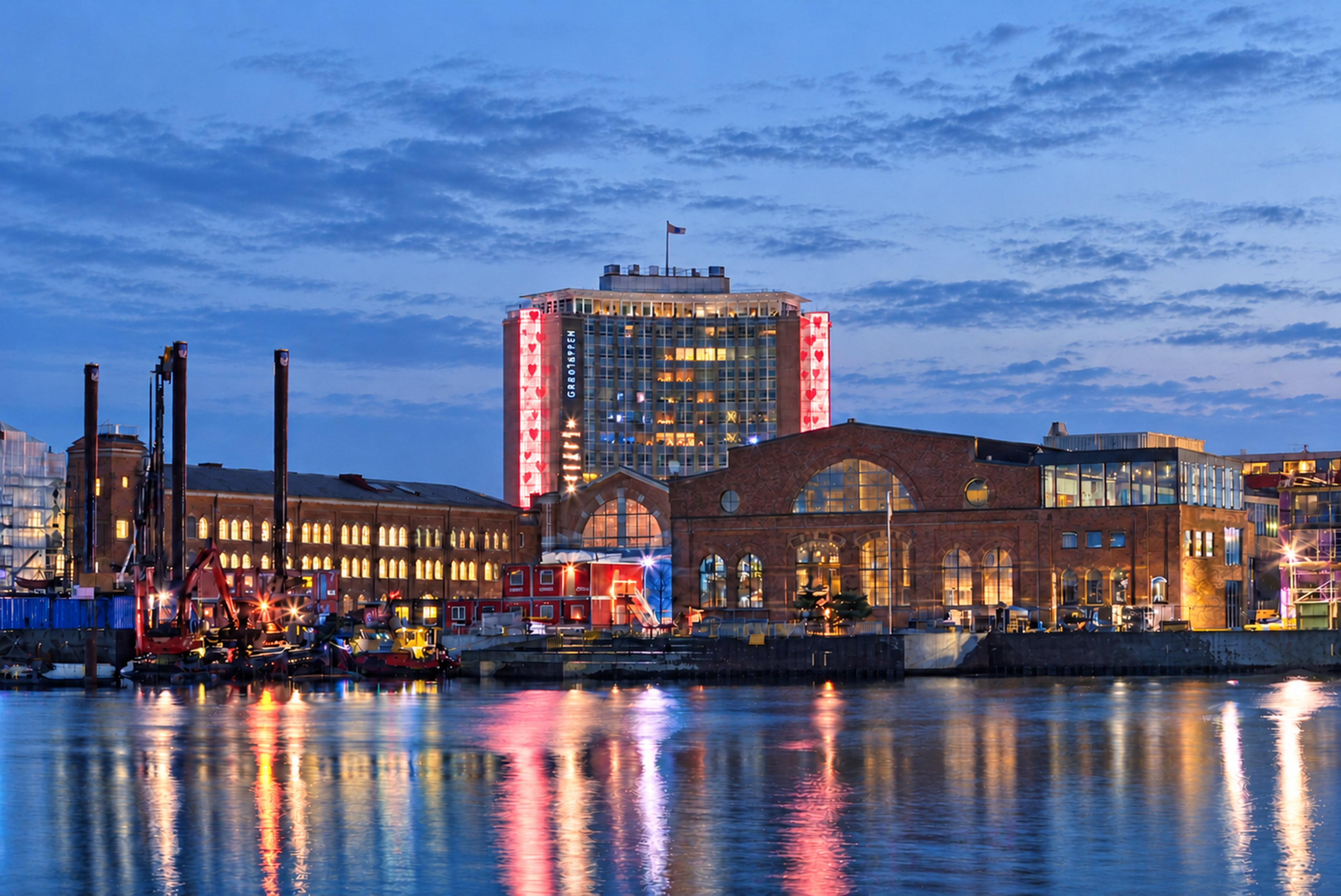
When the facade becomes the neighbor: Programmable light in public space
A company facade is usually considered part of the property it encloses. After dark, its visual impact extends much further. It is perceived from streets, thoroughfares, neighboring buildings, and public spaces. Many people experience its lighting daily without ever entering the building.
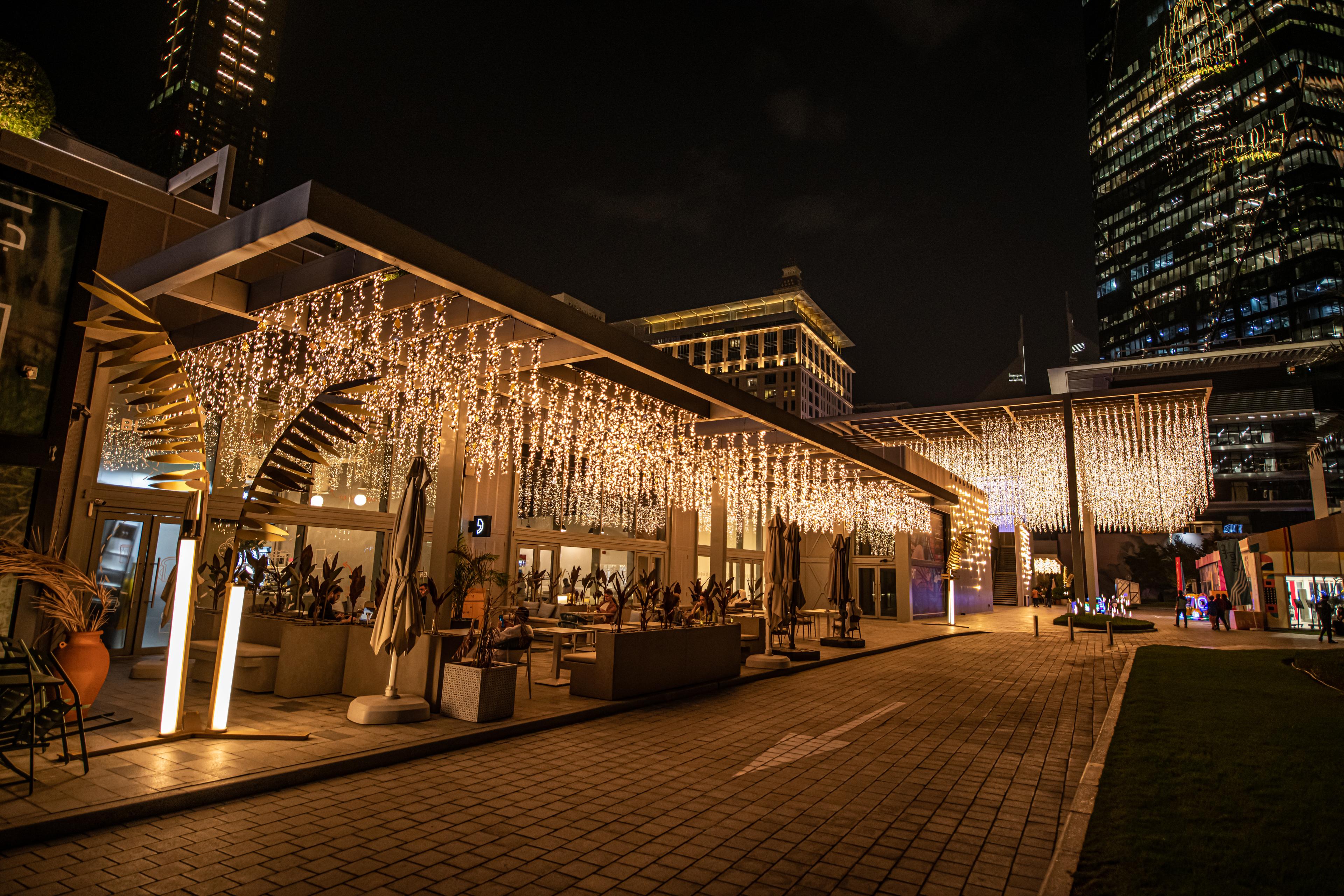
From business day to shared city life: Corporate districts after nightfall
A corporate district is often described by its function during the day: offices, meetings, services, and business operations. However, many of these places today also include restaurants, shops, cultural offerings, public pathways, and event spaces. Their role changes over the course of the day. The lighting should visibly support this transformation.

How to design an impactful Christmas market: 7 strategic principles
Christmas markets are often seen as seasonal sales events. In reality, successful Christmas market design goes far beyond stalls and decorations. It is a combination of thoughtful market planning, festive lighting design, and strategic urban placemaking.

Why atmosphere matters in travel retail
Today, airports are far more than transport hubs. The design of the environment affects how travelers experience their stay – and what contribution they make to the economic success of a location.

Light as an experience: The Wandelhalle Hamburg newly staged
In the middle of Hamburg's main station, a place emerges that allows everyday life to pause for a moment. Light becomes a design element for a new spatial experience.
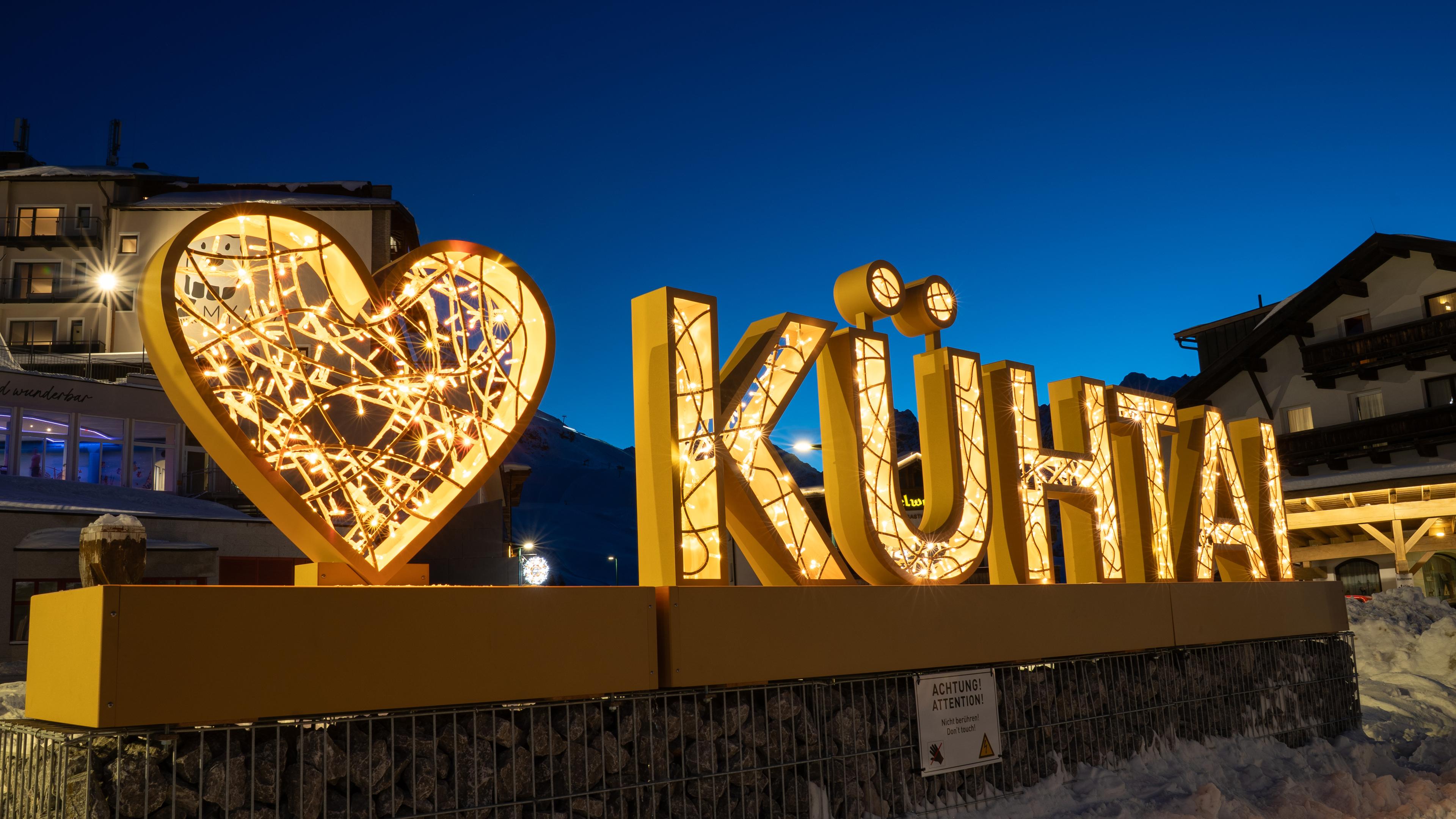
More than slopes: How Christmas lighting strengthens ski destinations
Ski destinations are no longer defined only by their slopes. Places like Seefeld show how light and atmosphere shape the stay into the evening.

Summer feelings in the city
Summer brings lightness, color, and new impulses to urban design. MK Illumination demonstrates how creative lighting concepts emotionally charge urban spaces – sustainable, sensuous, and surprising. Two current projects make you want more – and show how light can create atmosphere all year round.